Ian Whatmough

The Antique Store In 13 Locations
Project Overview
I made this game as a high school senior at the Academy for Science & Design in late 2020 and early 2021, using Unity along with several free and paid art assets and a puzzle game asset pack. The Antique Store In 13 Locations is a puzzle game centered on the concept of being trapped in multiple versions of the same room. The player must use the differences between the rooms to solve a series of nonlinear puzzles to escape.
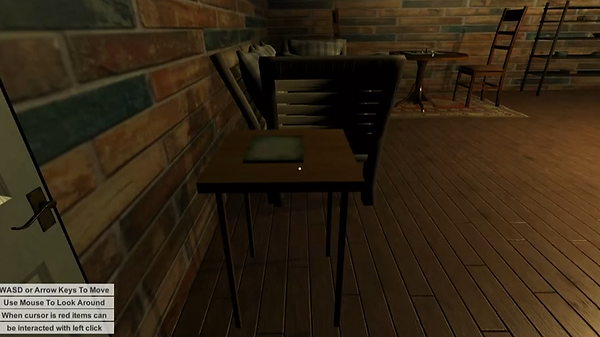
Player Finding a Note at the Start of the Game
-
Nonlinear First Person Puzzle Game
-
Late 2020 to Early 2021
-
Unity
-
PC
-
Solo Project
-
Designed Game Map
-
Integrated Narrative Storyline
-
Implemented Game Mechanics
-
Tested Gameplay and Resolved Issues
-
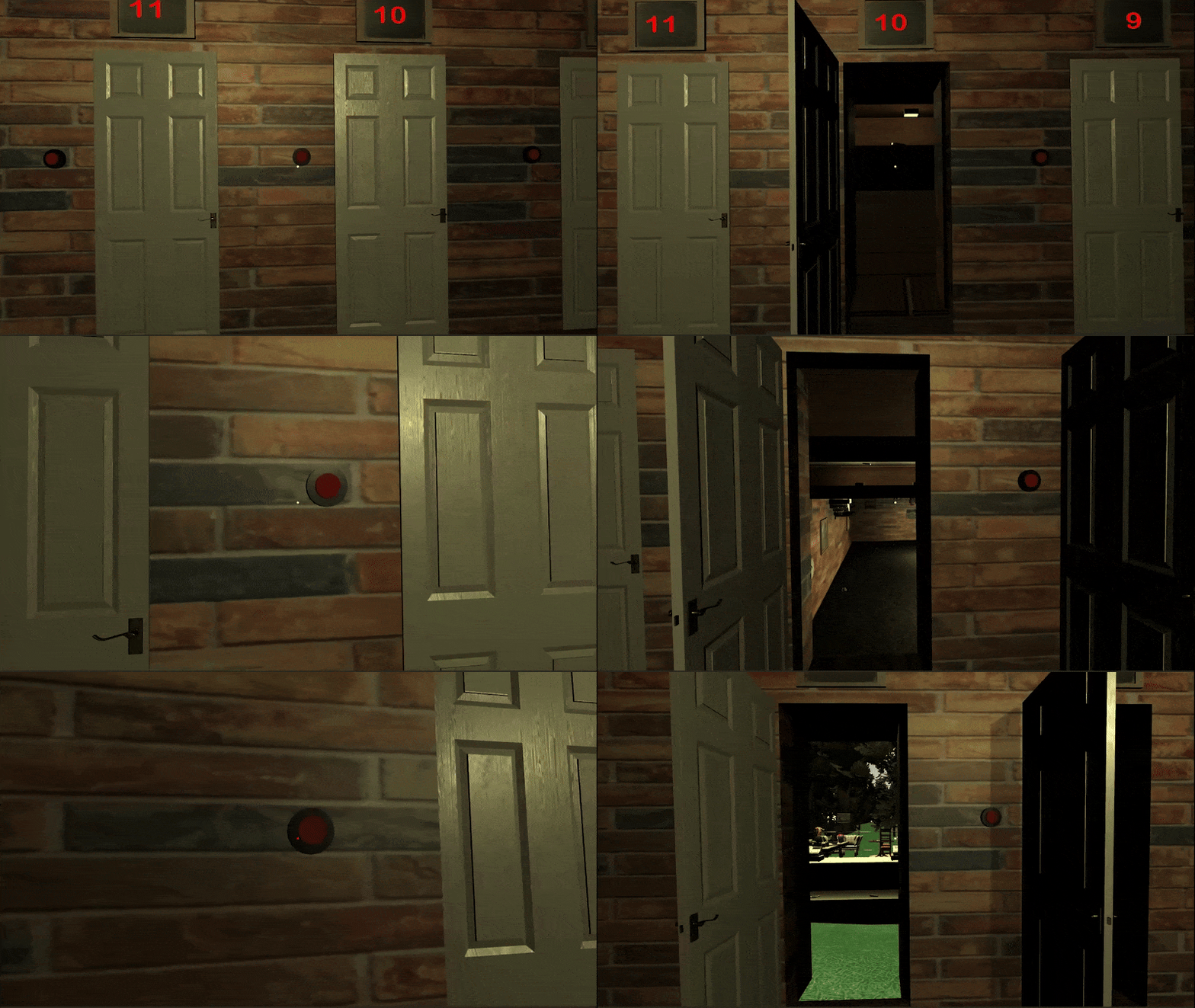
The Player Opening Doors to Multiple Different Rooms
The rooms all share the aesthetics of an antique shop, with plenty of unusual and intriguing objects scattered around. Every version of the room has the same basic layout, but has a twist on how the room operates.
The player is first introduced to a basic introductory version of the room that is very normal. This room, which includes an explanation of the controls and an introduction to the story, is meant to introduce the basic puzzle-solving mechanics such as finding codes, examining objects, and reading notes
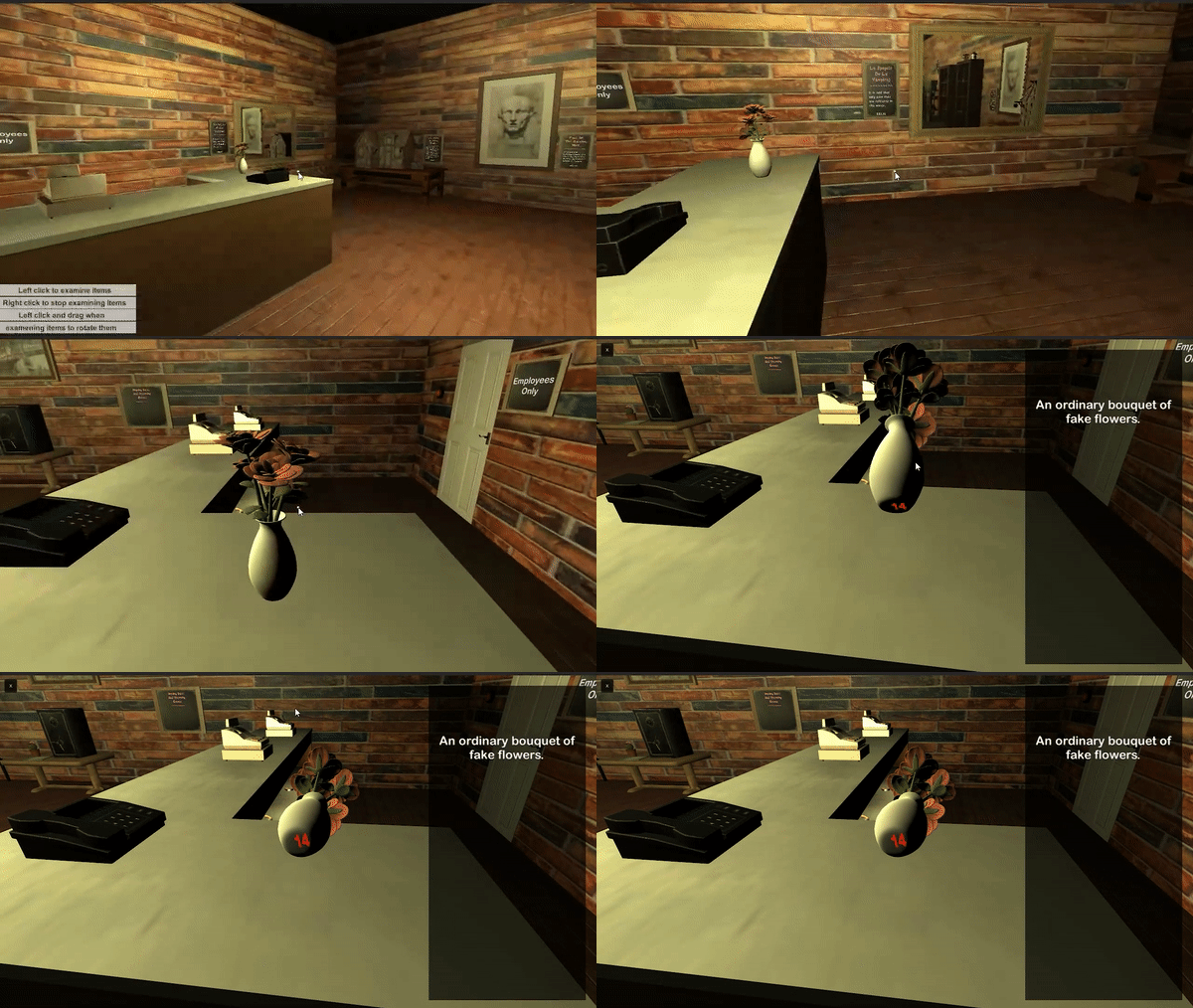
Player Finding a Hidden Code Piece Under a Flower Pot
After completing the tutorial room, the player has become familiar with the basic layout of the room. They are then sent to a hub room, which resembles the first room but has doors that lead into a variety of different rooms.
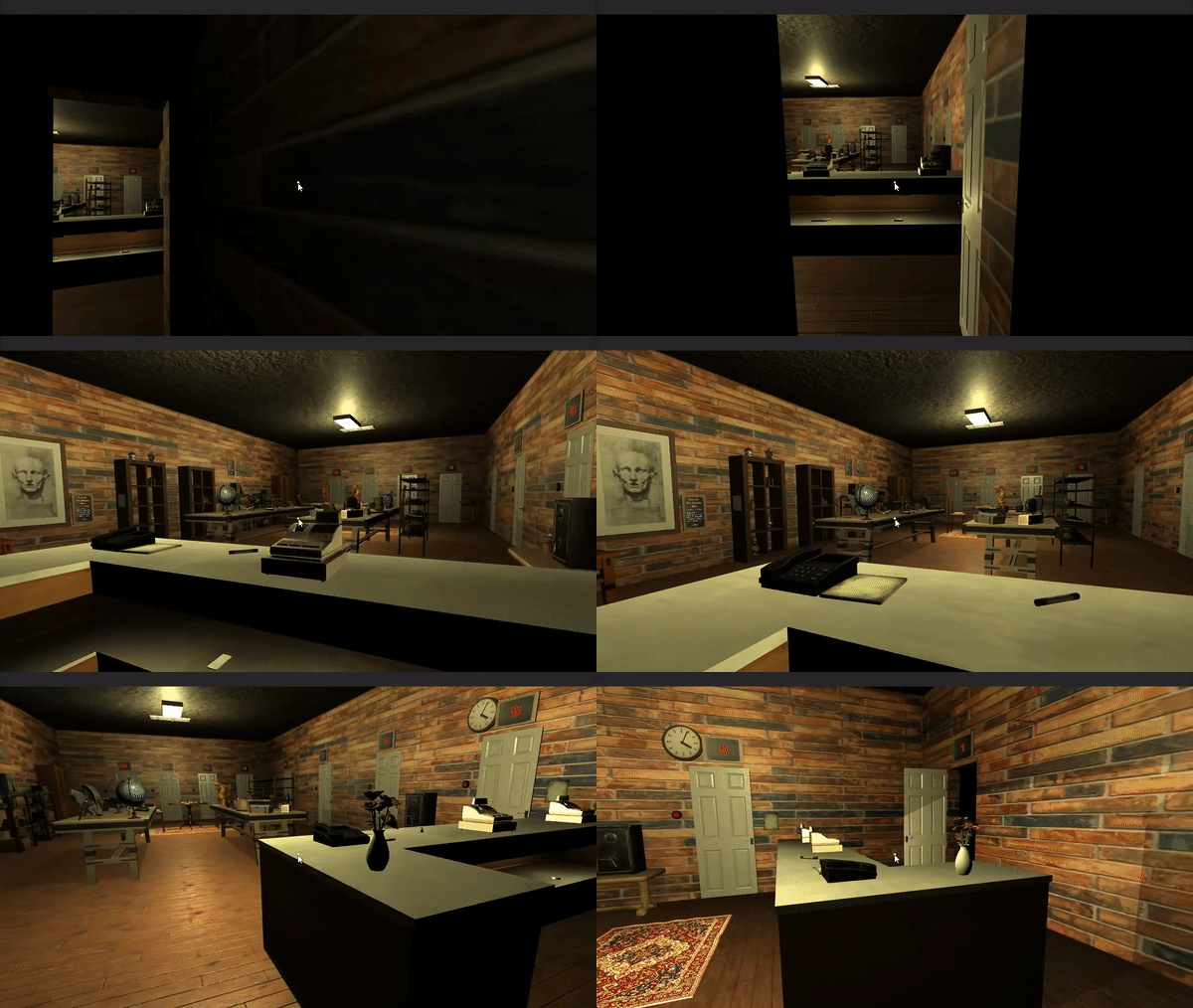
Player Entering the Central Hub Room Where All Other Rooms Can be Accessed
The player can enter any of these rooms in any order, but the rooms are numbered to help the player keep track of them, and to provide a good starting order if the player is overwhelmed.
Types Of Rooms
Each room is designed to have the player think about the play space in a different way. The basic lay out of the room is very simply with two tables, some shelves, and a counter for the cashier, however each room has a unique element that forces the player to think about this simple layout differently.
I ended up adding more tables later as I needed more space to put objects and the shelves did not take up as much of the room as I originally expected.
Room variations include a completely dark room that must be navigated using knowledge gained from other rooms, a room with a lowered floor where the player must jump from object to object, an upside down room where the player can reach a hidden door that is normally in the ceiling, and a huge room where the player can go inside a small dollhouse they’d seen in the

Early Sketch of a Potential Room Layout
In total, there are twelve rooms (including the hub room) that can be accessed throughout most of the game. I set this defined number as a limit when designing so as to not go out of scope with dozens of rooms.
In order to escape, the player must solve the puzzles found within these rooms. Some puzzles have only one solution, like the one where players learn that they must put a code into a green safe, and so must go to the room where everything is green to enter it.
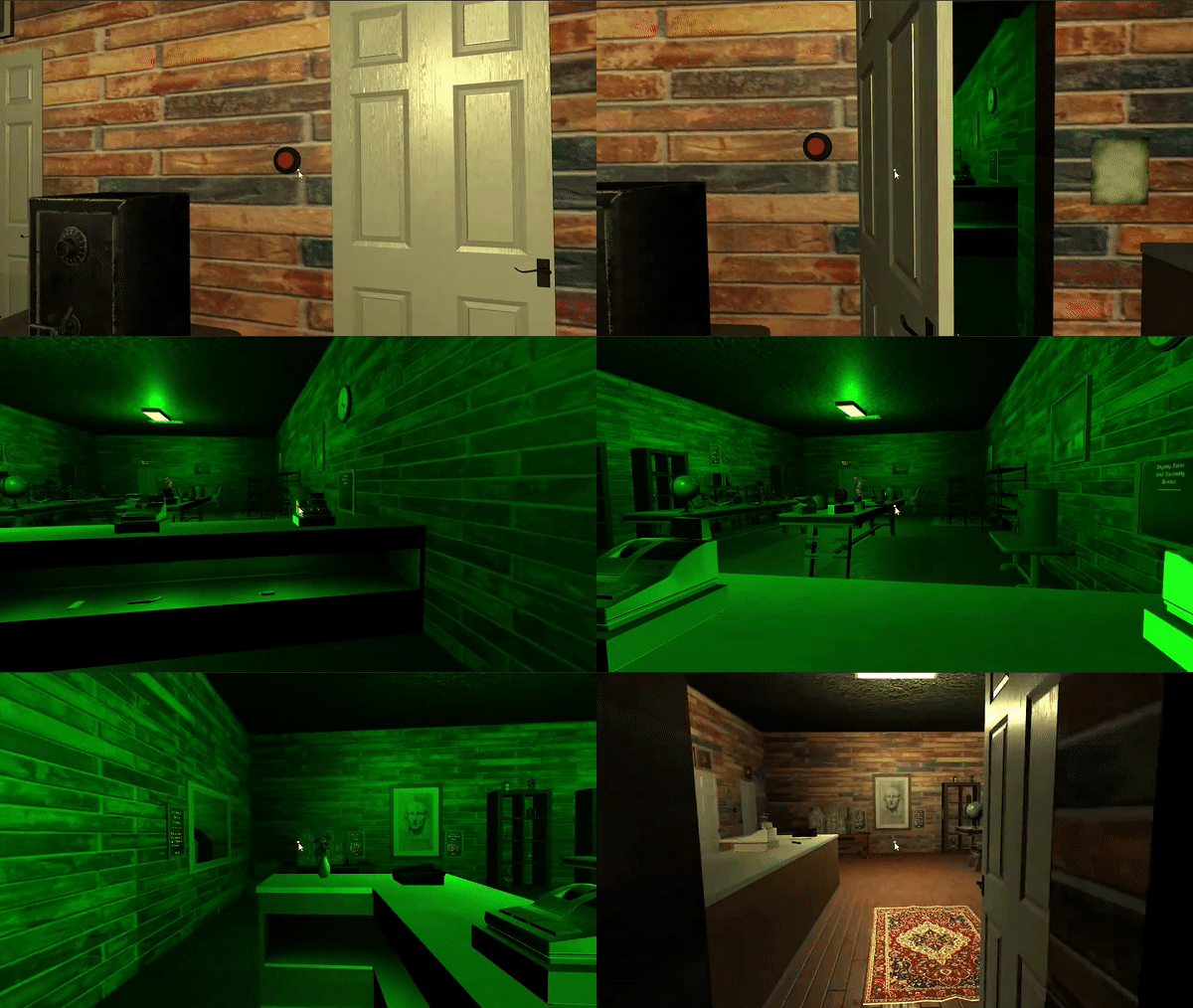
Player Entering the Green Room
Others have multiple solutions, such as one where the player must read a code on the bottom of the table. Since there is no crouch button, they must either go into the room with the lower floor and fall down to read the code, or go to the large room where the table is tall enough for them to walk beneath it.
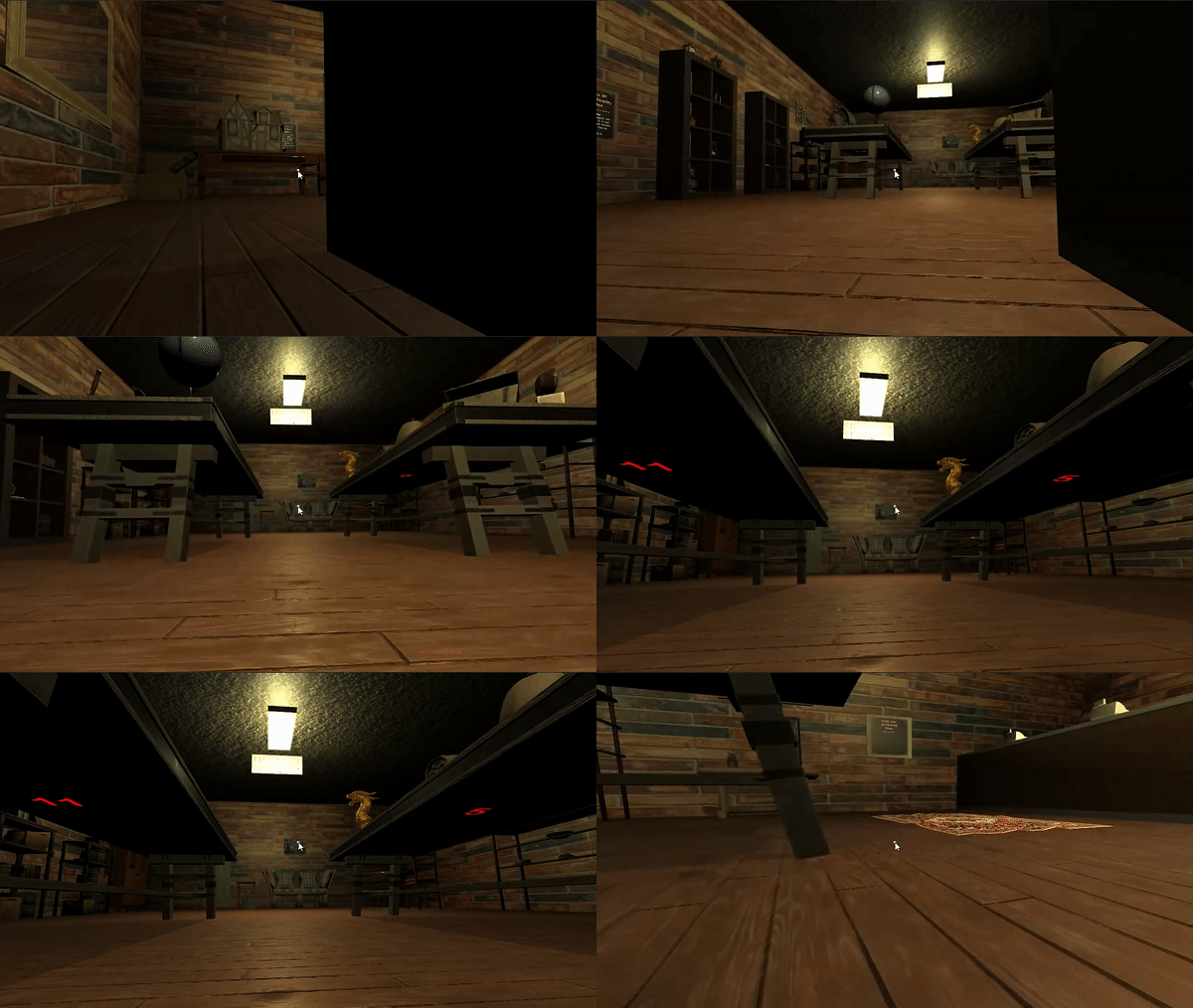
Player Finding Codes in the Low Floor Room
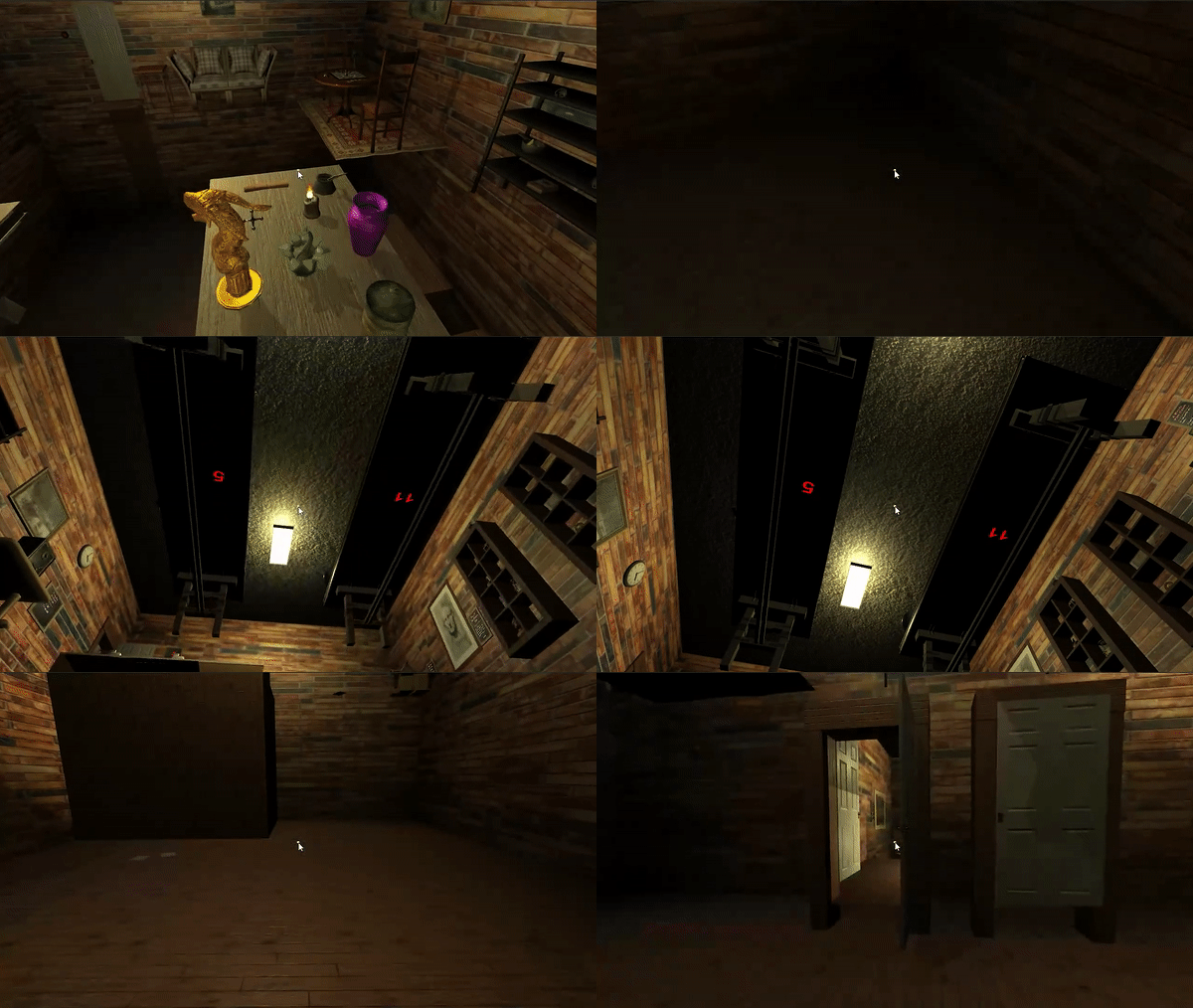
Player Finding Codes in the Large Room
Ending And Objectives
The player's main objective is to find four fuses to open a door in the starting room. While doing so, they will also read notes to discover a story revolving around the owner of the antique shop, with each room being symbolic of a time in his life. Once they have gathered all fuses, they are transported to the final 13th room, which is barren and empty compared to all the other rooms. They can then open the final door and complete the game.
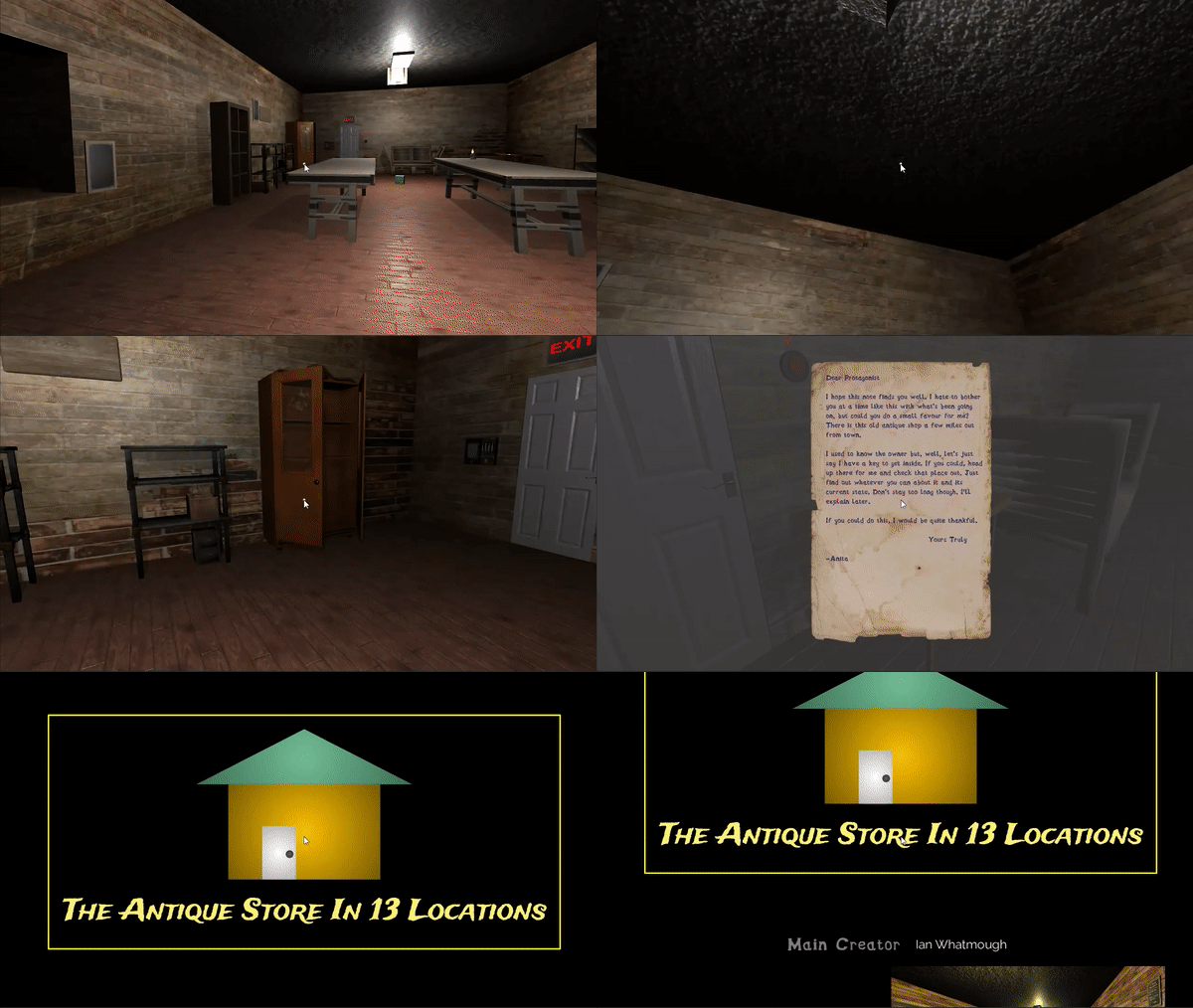
Player Opening the Final Door and Ending the Game
The game was designed to have players think about the same space in many different ways, and to use that medium to tell a story in a unique way.
Previous
Next